


Phidget Interface Kit 8/8/8
31.50 د.ك
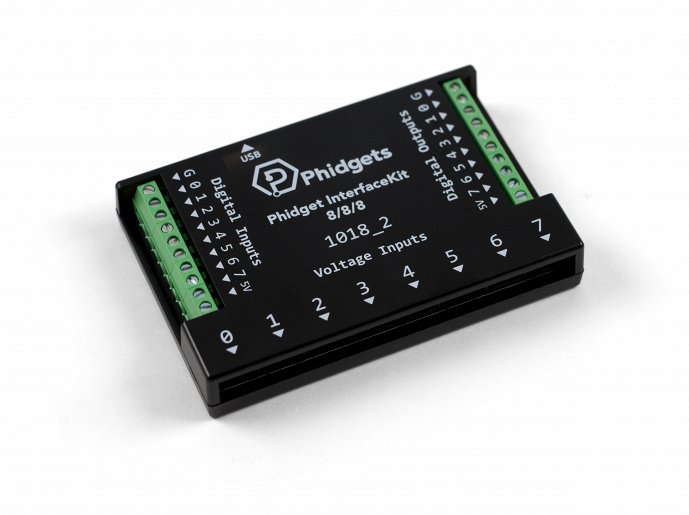
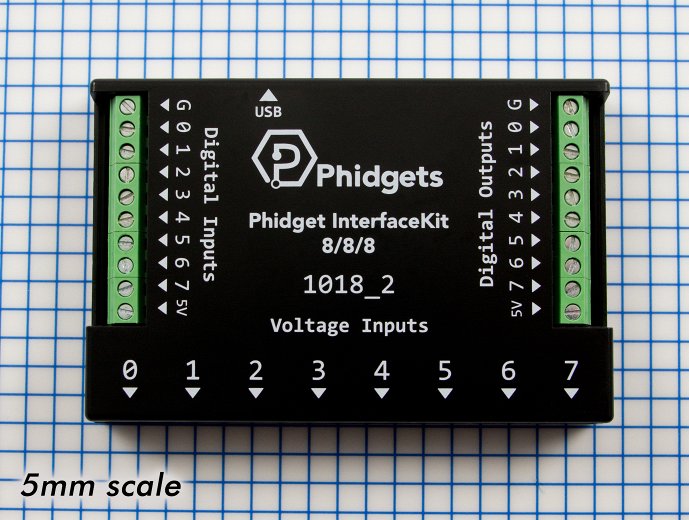
The Phidget Interface Kit 8/8/8 is an input and output interface board designed for Arduino projects, robotics systems, automation applications, and embedded electronics development. It supports multiple digital inputs, digital outputs, and analog sensor connections for smart control systems.
In stock
Description
Analog Inputs
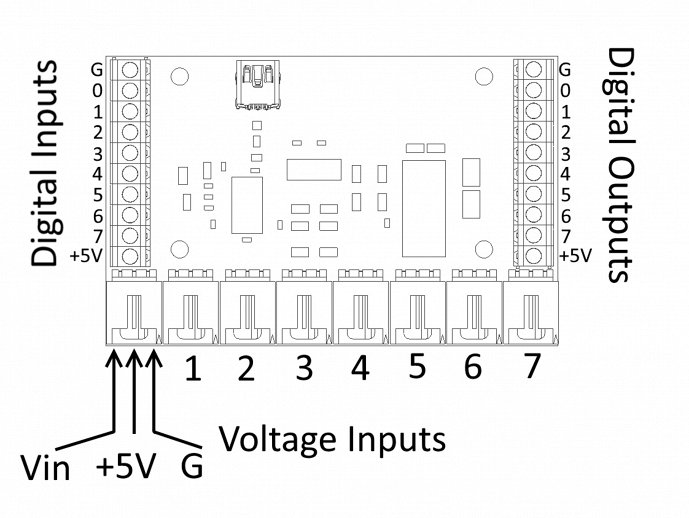
The analog inputs are used to measure continuous voltage outputs generated by various sensors such as temperature, humidity, position, or pressure. Phidgets offers a wide variety of sensors that can be plugged directly into the board using the cable included with the sensor.
Sampling rates can be set at 1ms, 2ms, 4ms, 8ms and multiple of 8ms up to 1000ms.
Digital Inputs
The Digital Inputs have a Digital Input Hardware Filter to eliminate false triggering from electrical noise. They can be used to convey the state of devices such as push buttons, limit switches, relays, and logic levels.
Digital Outputs
The Digital Outputs can be used to drive LEDs, solid state relays, transistors; in fact, anything that will accept a CMOS signal.
The Phidget Interface Kit 8/8/8 is a versatile interface board designed for Arduino projects, automation systems, robotics applications, and embedded electronics development. This board allows users to connect multiple sensors, switches, and output devices for advanced monitoring and control systems.
Because many automation projects require flexible input and output management, this interface board provides an easy and reliable solution for handling sensors and external devices. In addition, the compact design makes installation easier in prototype systems and industrial electronics projects.
Many students, makers, and engineers use this board for robotics control, automation systems, and smart monitoring applications. You can also combine it with Arduino UNO R3 for sensor interfacing and embedded control projects.
Understanding This Interface Board
This interface board supports multiple digital inputs, digital outputs, and analog sensor connections for embedded systems and automation projects. It helps microcontrollers communicate with sensors, switches, motors, and external devices more efficiently.
The board is commonly used in robotics and industrial electronics because it simplifies hardware interfacing and improves system flexibility. Furthermore, the organized input and output structure makes development easier for beginners and advanced users.
As a result, users can create larger automation systems without complicated wiring and custom interface circuits.
Main Features
- Multiple digital input channels
- Multiple digital output channels
- Analog sensor interfacing support
- Compact and lightweight design
- Suitable for Arduino projects
- Useful for robotics applications
- Supports automation systems
- Easy hardware integration
- Beginner-friendly interface board
- Compatible with embedded electronics
- Ideal for sensor monitoring systems
- Suitable for smart control projects
Technical Specifications
- Product Type: Interface board
- Model: PhidgetInterfaceKit 8/8/8
- Supports digital inputs and outputs
- Analog sensor connection support
- Compact PCB design
- Lightweight construction
- Easy microcontroller interfacing
- Suitable for embedded systems
- Designed for automation applications
Common Applications
This interface board supports many automation and embedded electronics applications. For example, developers use it in robotics systems, smart monitoring projects, and industrial automation systems.
Common applications include:
- Robotics control systems
- Arduino sensor projects
- Automation systems
- Embedded electronics applications
- Smart monitoring systems
- IoT automation projects
- Industrial electronics projects
- STEM education projects
- DIY electronics experiments
- Sensor interfacing systems
- Smart control applications
- Data acquisition projects
In addition, many users combine the board with ESP32 Development Board for wireless monitoring and automation systems.
Why Choose This Interface Board?
This interface board provides a simple and reliable way to manage multiple sensors and output devices in electronics systems. The compact design also makes installation easier in automation hardware and prototype circuits.
Users can build advanced monitoring and control systems without designing complicated interface electronics. Therefore, the board is useful for students, makers, robotics developers, and automation engineers.
Another advantage is its compatibility with many development boards and embedded systems. Because of this, it works well in educational electronics, smart automation, and industrial control projects.
Compatibility
Compatible with:
- Arduino UNO
- Arduino Nano
- ESP32 Development Board
- Raspberry Pi
- Embedded electronics systems
- Robotics platforms
- Automation systems
- IoT development projects
- DIY electronics projects
- Educational electronics kits
The board can also be combined with Breadboard MB-102 and Jumper Wires Kit for rapid prototyping and testing.
Tutorial Section
Getting started is simple and beginner-friendly. First, connect the sensors and external devices to the appropriate input and output terminals. After that, connect the interface board to your microcontroller and upload control code to begin monitoring and automation tasks.
For example, you can use this board to:
- Build robotics control systems
- Monitor multiple sensors
- Create smart automation projects
- Develop industrial monitoring systems
- Build embedded control applications
- Create IoT monitoring systems
You can also combine the board with OLED Display Module for real-time monitoring and status display applications.
Conclusion
The PhidgetInterfaceKit 8/8/8 is a reliable interface solution for Arduino projects, robotics systems, embedded electronics, and automation applications. It provides flexible sensor and device interfacing in a compact and beginner-friendly design.
In addition, its broad compatibility, easy integration, and reliable input/output management make it a practical choice for students, makers, engineers, and smart electronics developers.
Related products
-
KEYESTUDIO Super Starter kit/Learning Kit for Arduino Education W/Gift Box+ 32 Projects
25.00 د.ك Add to cart -
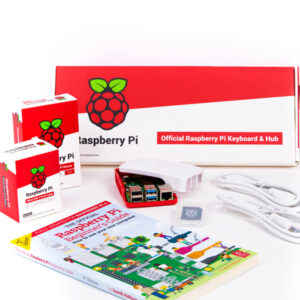
Raspberry Pi 4 Desktop Kit “4GB” RAM Official Kit GENUINE
85.00 د.ك Add to cart -
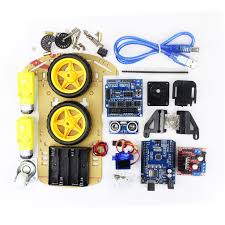
Smart Robot Car Chassis Kit For Arduino kit
14.00 د.ك Read more -
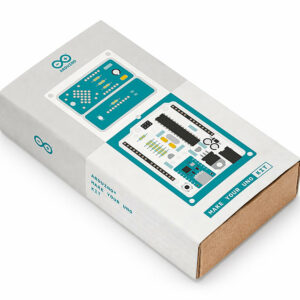
Arduino Make Your UNO Kit
29.00 د.ك Add to cart